
Lisa Batchelder of West Orange, N.J., first noticed it as a young adult. “When I carried a plastic bag on my arm, I got welts on my skin,” she recalled. After a similar reaction to an adhesive bandage, she learned she was allergic to latex.
Now the violinist keeps a mental list of things she avoids, especially at doctors’ offices, from EKG patches to hospital bracelets. Like many with a latex allergy, Batchelder also has adverse reactions to foods that allergists call “cross-reactive,” such as melons and apples.
One out of 1,000 Americans develops a latex allergy, according to the Asthma & Allergy Foundation of America. Most get “contact dermatitis” - a poison ivy-like rash that appears 12 to 24 hours after a close encounter with latex.
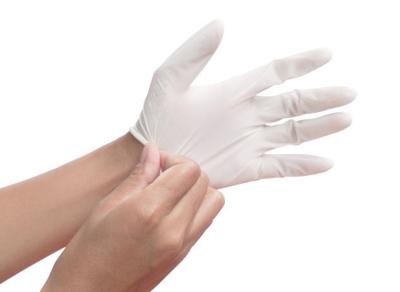
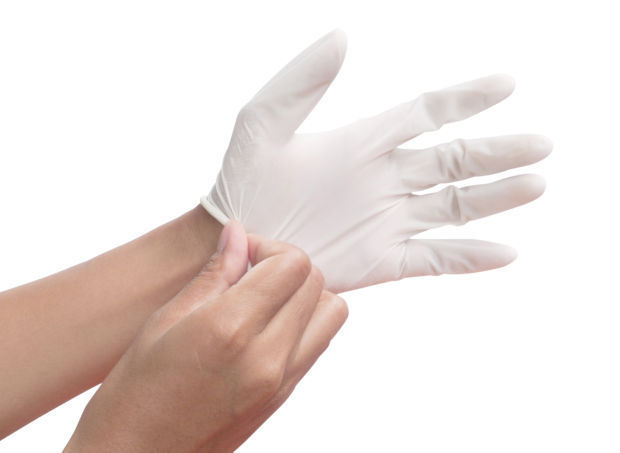
Some have severe reactions after inhaling latex powder, commonly found in disposable and rubber gloves and in balloons. The throat swells, breathing is difficult and blood pressure plummets. The patient sweats profusely, vomits or faints. Left untreated, this can be fatal.
People are also reading…
“Latex” refers to the sap of a rubber tree and to synthetic rubber or plastic used to make many common products. Some products called “latex,” like house paints, are not made with the natural substance and do not trigger the allergy.
Doctors say latex allergies are more common than they were a generation ago, but so are latex products. They include baby bottles/nipples, balls, condoms, boots, diaphragms, erasers, Halloween masks, pacifiers, exercise resistance bands, mattresses, shoes, stretchy clothing and many types of toys.
In addition to omnipresent disposable gloves, other medical equipment that may contain latex includes bandages, blood pressure cuffs, catheters, orthodontic elastics, stethoscopes, syringes and tourniquets. In fact, many suffer their first latex reactions after medical or dental procedures.
Singer-songwriter Tiffany Carlen discovered her latex allergies while delivering her first child.
“The nurse gave me a catheter, then came back and said, ‘Uh-oh, I think you’re having a reaction to this,’ and removed it,” said Carlen, of Burleson, Texas. “I had massive swelling.” Now she warns health care workers of her allergy.
The more exposure to latex, the more likely the body treats it as an allergen, said Fayne L. Frey, a dermatologist from West Nyack, N.Y., who has a latex-free office because of her own allergies.
“That’s why it’s much more common among health care workers,” Frey said. Other high-risk groups include people who have had multiple surgical procedures, like spina bifida victims, and people who routinely use rubber gloves, like hair salon employees.
There is no cure for latex allergies, said Frey, “so you just have to avoid it as much as you can.”
Doctors recommend seeing an allergist to identify the allergy with a blood or skin test. Sensitivity can increase or decrease with age, and it runs in families. Triggers vary from one person to the next.
Wear a medical ID bracelet or necklace to alert health care personnel. Keep a letter from your doctor and a medication list in your wallet. Stash nonlatex gloves in your car, home and office.
Carry medications to thwart allergic reactions or at least buy time to get to a hospital. For some people, these include antihistamines or bronchodilator inhalers. People prone to anaphylactic attacks should carry epinephrine self-injectors (EpiPen).
People with latex allergies often have serious food allergies too. In fact, they should not try new fruits or vegetables without having epinephrine on hand, advises the foundation’s website. Avocados, bananas, chestnuts and kiwis top the list, but many patients have longer no-no lists.
Having a latex allergy in the family turns you into a product label reader, said Carlen. “You learn which ones are OK for you. Instead of Band-Aids, I buy Curad bandages.”
Some latex sources are impossible to avoid, like rubber bands, said Batchelder. Not so with rubber gloves. “That one’s easy,” she joked. “I just don’t do housework!”
Lisa Batchelder of West Orange, N.J., first noticed it as a young adult. “When I carried a plastic bag on my arm, I got welts on my skin,” she recalled. After a similar reaction to an adhesive bandage, she learned she was allergic to latex.
Now the violinist keeps a mental list of things she avoids, especially at doctors’ offices, from EKG patches to hospital bracelets. Like many with a latex allergy, Batchelder also has adverse reactions to foods that allergists call “cross-reactive,” such as melons and apples.
One out of 1,000 Americans develops a latex allergy, according to the Asthma & Allergy Foundation of America. Most get “contact dermatitis” - a poison ivy-like rash that appears 12 to 24 hours after a close encounter with latex.
Some have severe reactions after inhaling latex powder, commonly found in disposable and rubber gloves and in balloons. The throat swells, breathing is difficult and blood pressure plummets. The patient sweats profusely, vomits or faints. Left untreated, this can be fatal.
“Latex” refers to the sap of a rubber tree and to synthetic rubber or plastic used to make many common products. Some products called “latex,” like house paints, are not made with the natural substance and do not trigger the allergy.
Doctors say latex allergies are more common than they were a generation ago, but so are latex products. They include baby bottles/nipples, balls, condoms, boots, diaphragms, erasers, Halloween masks, pacifiers, exercise resistance bands, mattresses, shoes, stretchy clothing and many types of toys.
In addition to omnipresent disposable gloves, other medical equipment that may contain latex includes bandages, blood pressure cuffs, catheters, orthodontic elastics, stethoscopes, syringes and tourniquets. In fact, many suffer their first latex reactions after medical or dental procedures.
Singer-songwriter Tiffany Carlen discovered her latex allergies while delivering her first child.
“The nurse gave me a catheter, then came back and said, ‘Uh-oh, I think you’re having a reaction to this,’ and removed it,” said Carlen, of Burleson, Texas. “I had massive swelling.” Now she warns health care workers of her allergy.
The more exposure to latex, the more likely the body treats it as an allergen, said Fayne L. Frey, a dermatologist from West Nyack, N.Y., who has a latex-free office because of her own allergies.
“That’s why it’s much more common among health care workers,” Frey said. Other high-risk groups include people who have had multiple surgical procedures, like spina bifida victims, and people who routinely use rubber gloves, like hair salon employees.
There is no cure for latex allergies, said Frey, “so you just have to avoid it as much as you can.”
Doctors recommend seeing an allergist to identify the allergy with a blood or skin test. Sensitivity can increase or decrease with age, and it runs in families. Triggers vary from one person to the next.
Wear a medical ID bracelet or necklace to alert health care personnel. Keep a letter from your doctor and a medication list in your wallet. Stash nonlatex gloves in your car, home and office.
Carry medications to thwart allergic reactions or at least buy time to get to a hospital. For some people, these include antihistamines or bronchodilator inhalers. People prone to anaphylactic attacks should carry epinephrine self-injectors (EpiPen).
People with latex allergies often have serious food allergies too. In fact, they should not try new fruits or vegetables without having epinephrine on hand, advises the foundation’s website. Avocados, bananas, chestnuts and kiwis top the list, but many patients have longer no-no lists.
Having a latex allergy in the family turns you into a product label reader, said Carlen. “You learn which ones are OK for you. Instead of Band-Aids, I buy Curad bandages.”
Some latex sources are impossible to avoid, like rubber bands, said Batchelder. Not so with rubber gloves. “That one’s easy,” she joked. “I just don’t do housework!”